The Business Kit

Finance and Banking

Two connected clusters for UK business owners: Business Banking covers accounts, fees, protection and switching; Financial Guides covers bookkeeping, Self Assessment, Corporation Tax, VAT, Making Tax Digital and financial planning. Start with a featured pillar, or filter the full directory below.

46 published resources

Featured

Start with these

Three high-impact pillar guides that anchor the Finance and Banking clusters.
Pillar guide
Finance and Banking

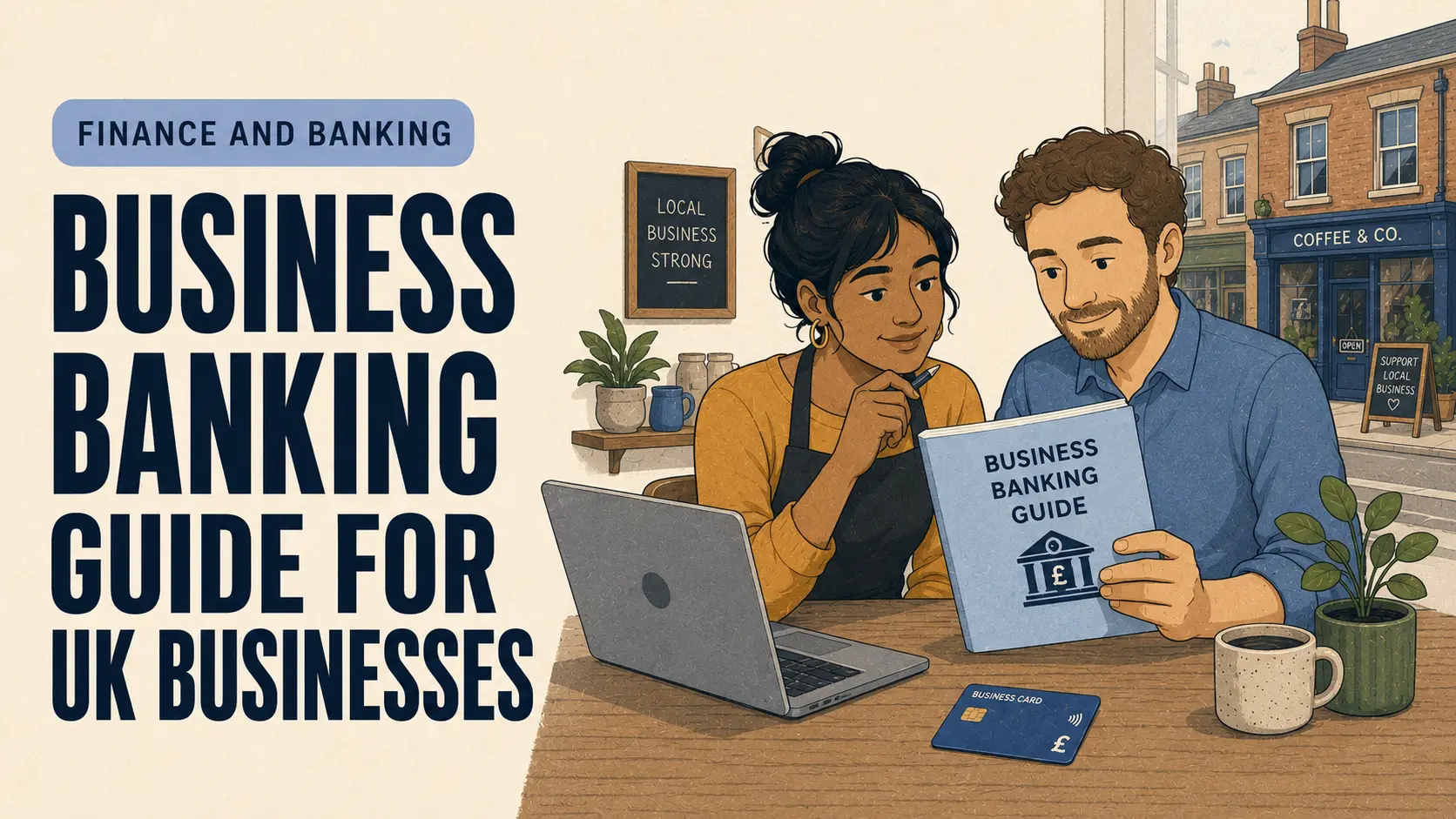
Business Banking Guide for UK Businesses

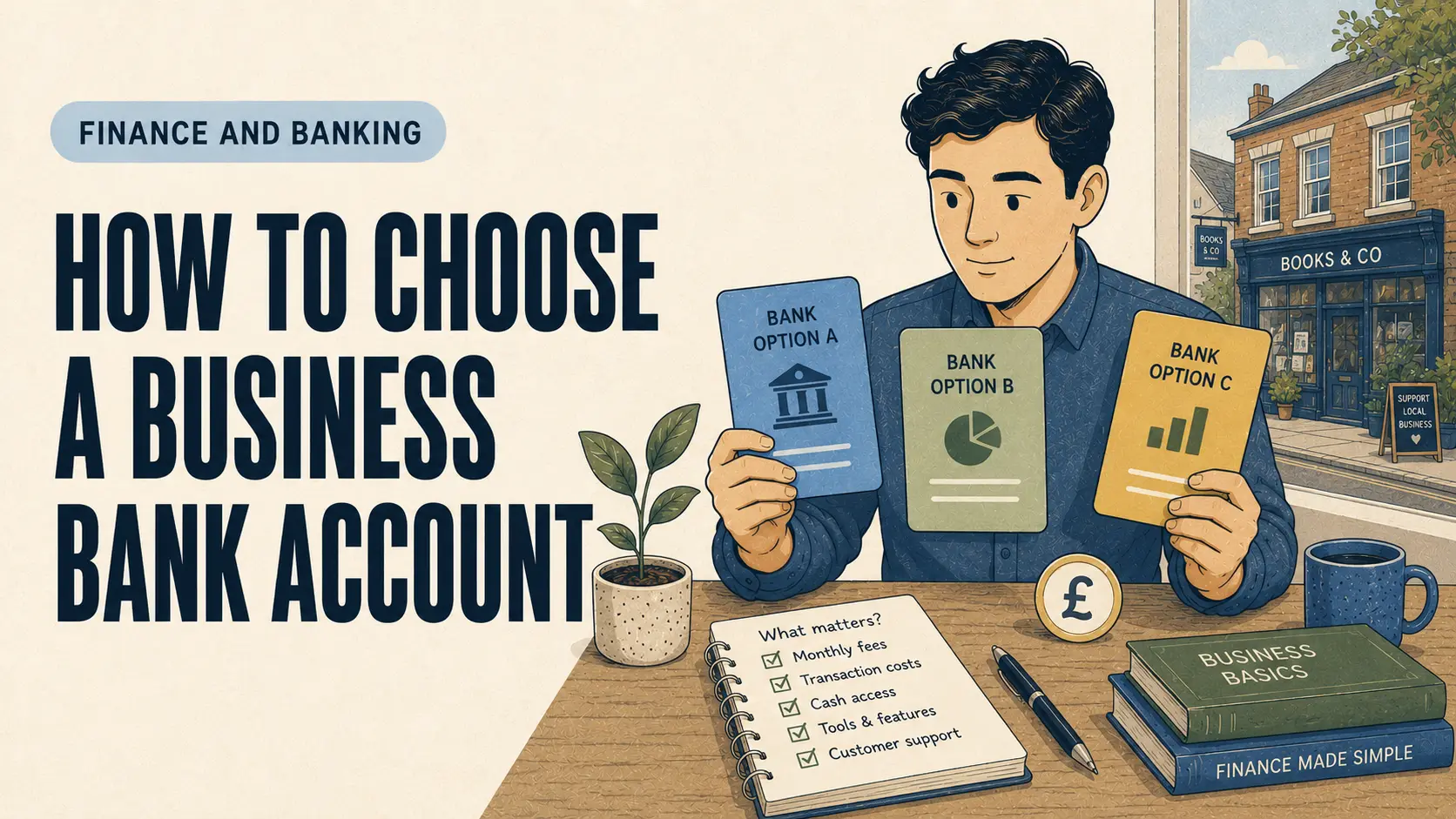
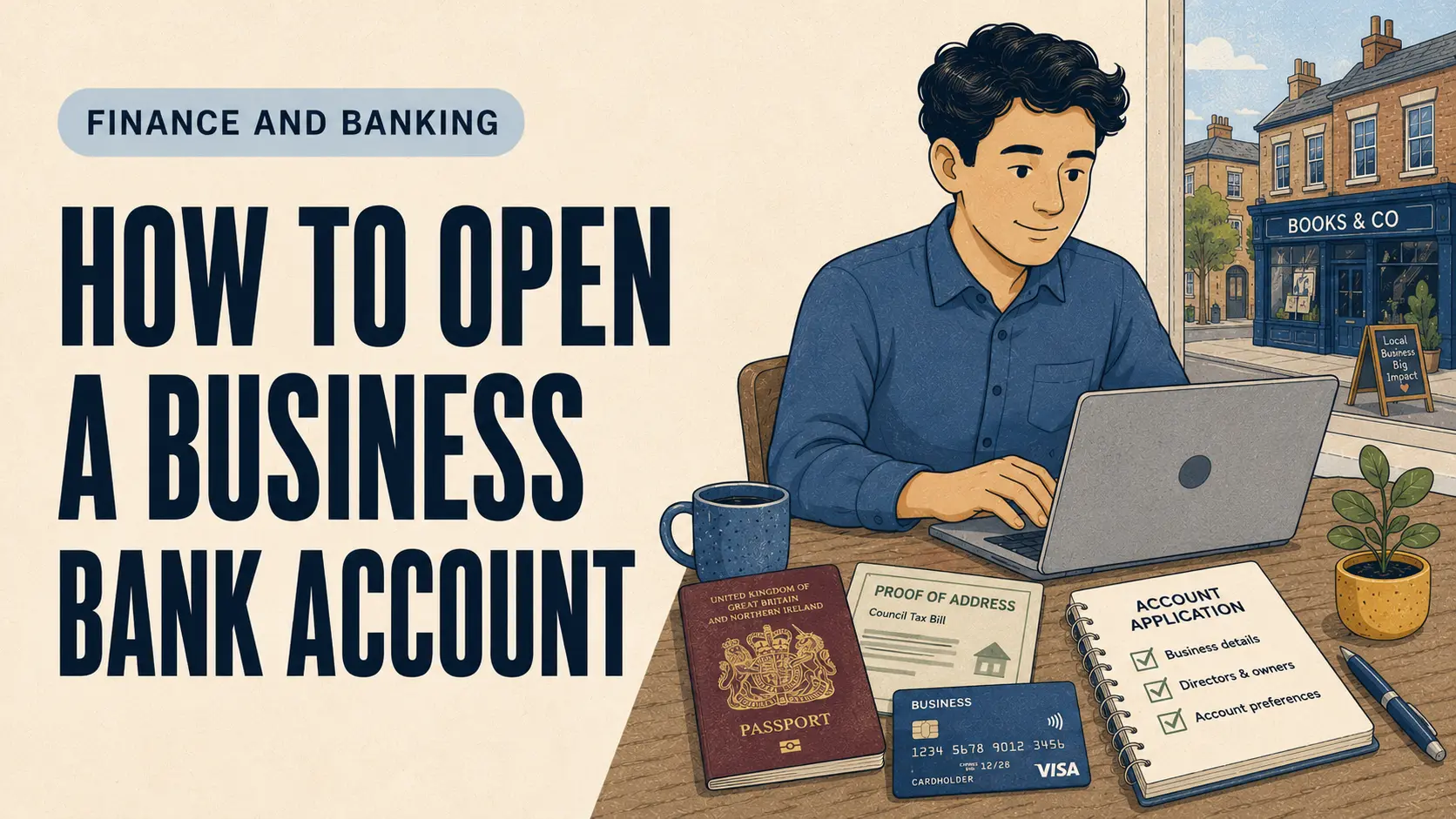
This business banking guide helps UK sole traders, freelancers, partnerships, limited companies and small organisations navigate the complete account journey. Start by deciding whose money the account will hold. Then define how the business receives and spends money, compare total costs and functionality, check eligibility and protection, apply accurately, establish controls and review the arrangement as the business changes.
1 November 202616 min
Read article
Pillar guide
Finance and Banking

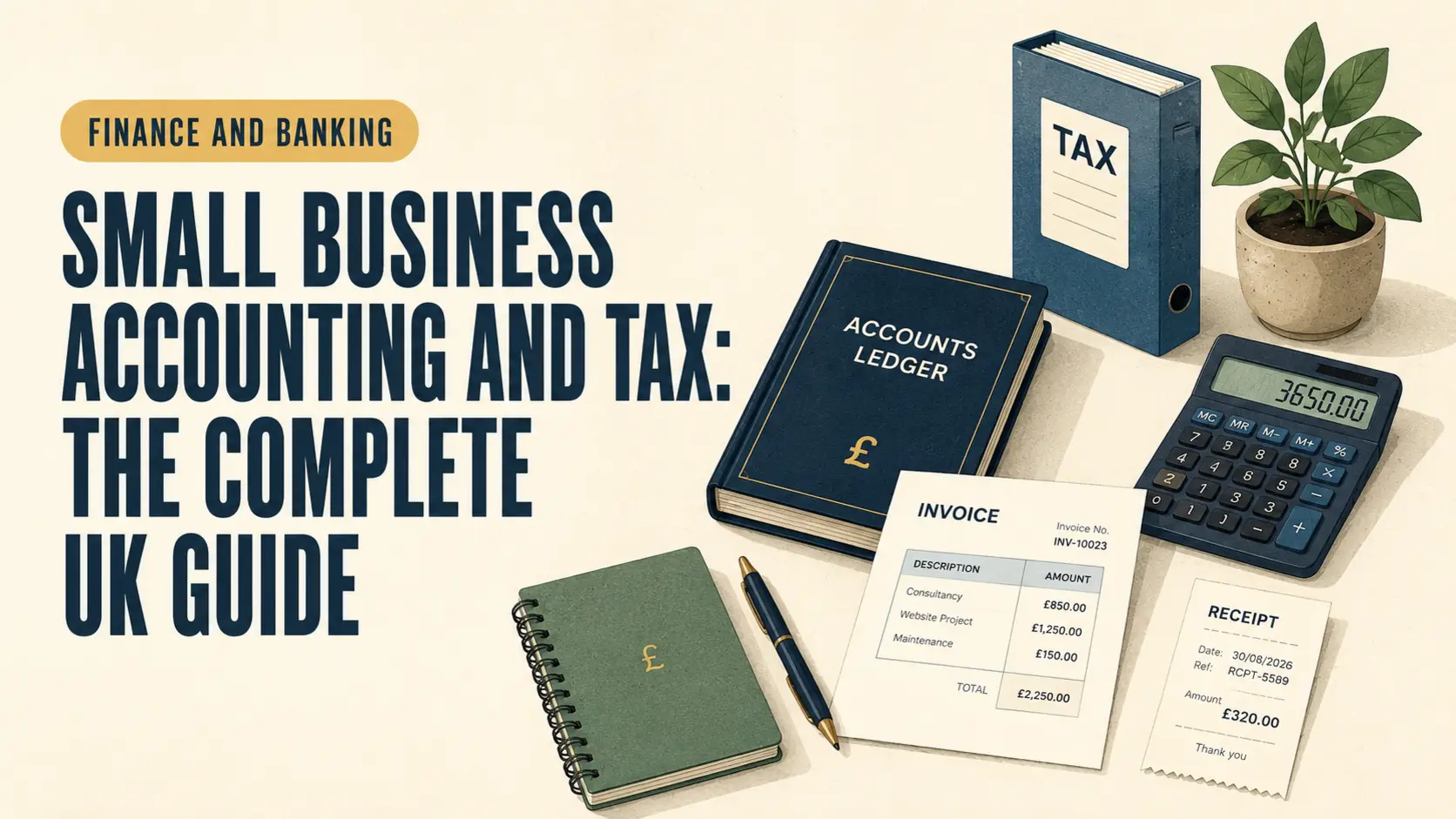
small business accounting and tax: the complete UK guide

small business accounting and tax work best as one connected system. Sales invoices, purchase evidence, bank transactions and payroll feed the books. The books support management reports, tax returns and accounts. Budgets and cash-flow forecasts then use those records to help the owner look forward. When those parts are separated, problems multiply. A return may be filed from incomplete books, a profitable business can run out of cash, VAT can be spent before its payment date, and directors can confuse company money with their own.
1 November 202614 min
Read article
Finance and Banking

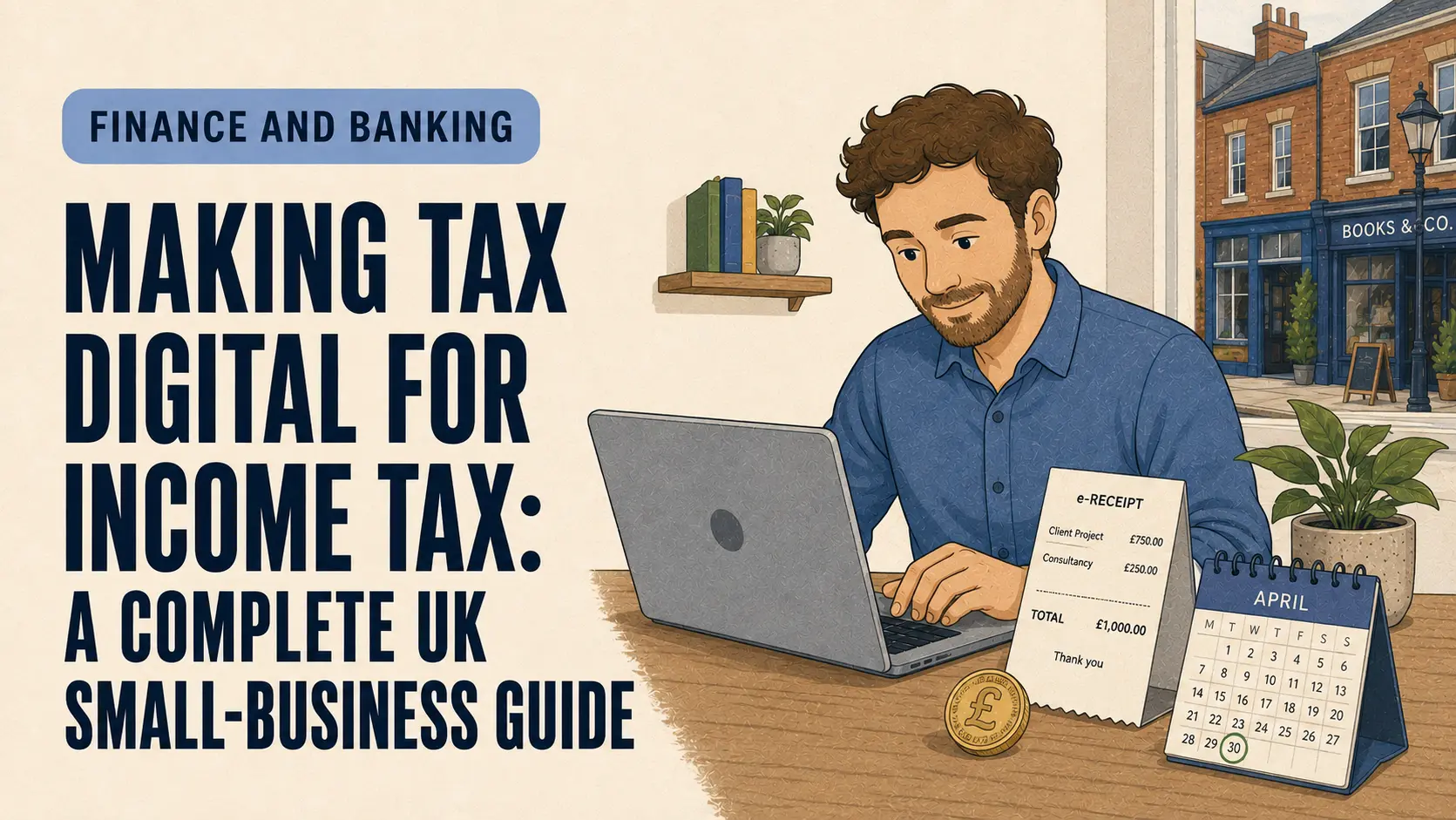
Making Tax Digital for Income Tax: a complete UK small-business guide

Making Tax Digital for Income Tax changes how many sole traders and landlords keep records and send information to HM Revenue & Customs. It is not simply a new tax return, and it does not change the basic principle that tax is calculated using your taxable income and allowable deductions. It creates a digital reporting process during the year, followed by year-end steps. The first mandated group entered the regime on 6 April 2026. More people are due to join in 2027 and 2028. That makes preparation relevant even if your current qualifying income is below the first threshold.

1 November 202614 min
Read article

All Articles

Every Finance and Banking resource

The complete directory of banking and accounting guides, reviews and templates. Search by title, excerpt or topic, or filter by category.

46 resources

Finance and Banking

How to register for VAT: a step-by-step UK guide

VAT registration is a threshold-driven decision with a fixed process once you cross it. A business must register when its taxable turnover exceeds the compulsory threshold, but it can also register voluntarily below that level if it makes taxable supplies. Getting the timing, effective date and scheme choice right matters, because registering too late creates backdated liability and registering without the right systems creates compliance problems. This guide walks through compulsory versus voluntary registration, the £90,000 threshold and the 30-day forward test, what you need to register, the online process, VAT number timescales, charging VAT while you wait, Making Tax Digital for VAT software, and choosing a VAT scheme.

1 November 20269 min
Read article
Finance and Banking

Cash basis vs accruals accounting: which should a UK sole trader use?

Since 6 April 2024, the cash basis has been the default method for most sole traders and landlords with receipts under the VAT threshold. That change simplified record keeping for many small businesses, but it did not make the cash basis right for everyone. Some sole traders still benefit from opting out and using traditional accruals accounting, and the choice affects how income, expenses, losses, interest and year-end adjustments are reported. This guide explains the cash basis and accruals methods, the 2024/25 default, who can and cannot use the cash basis, the key differences, how to opt out, how losses and interest are treated, how Making Tax Digital interacts with each method, and how accounting software handles the choice.

1 November 20268 min
Read article
Finance and Banking

Capital allowances explained: a UK small-business guide
When a business buys a lasting asset such as equipment, machinery or a vehicle, the cost is not normally deducted in full against the year's profit. Instead, capital allowances give tax relief for the depreciation of qualifying assets over time. For a small business, the Annual Investment Allowance usually means most plant and machinery is relieved in full in the year of purchase, but the rules around cars, fixtures and special-rate assets are more nuanced. This guide explains what capital allowances are, the main pools, the Annual Investment Allowance, first-year allowances, cars, fixtures in buildings, how to claim, and how capital allowances interact with the cash basis and Corporation Tax.
1 November 20266 min
Read article

Reader-supported: we may earn a commission if you buy through links on this page, at no extra cost to you. This does not affect how providers are presented.

Information is provided for general guidance only and is not financial, tax or accounting advice.

Compare business bank accounts and accounting software

Independent reviews and current offers for UK business banking and accounting providers.

All Resources